


When temperatures drop, the days grow shorter, and cold and flu season begins, our health becomes a top priority. Besides a balanced diet, sufficient exercise, and fresh air, our sleep plays a crucial role. While we rest at night, our immune system continues to work. Learn how sleep and the body's defenses are connected and what simple habits you can adopt to support your body during the colder months.
Why our immune system is particularly challenged in winter
Winter brings many things we can look forward to: cozy evenings, warm blankets, and relaxing hours at home. At the same time, the cold season marks the peak season for many respiratory infections.
But why do we catch colds more often in autumn and winter?
One important reason is that we spend more time indoors when temperatures are low. In these spaces, pathogens can spread more easily between people, especially if there is poor ventilation.
Dry indoor air can also play a role. It can dry out the mucous membranes in the nose and throat, thereby impairing their natural protective function.
Our immune system is therefore particularly challenged at this time of year. It protects our body from pathogens and helps fight infections.
What many underestimate: Sufficient sleep is also an important component of healthy immune function.
Sleep and the immune system: How they are connected
While we sleep, our body regenerates. But sleep is far more than just a break from everyday life.
Our immune system remains active even at night. Various immune cells and messenger substances work together to recognize pathogens and respond appropriately.
Of particular interest is the connection between sleep and the so-called immunological memory.
This helps our body recognize pathogens it has already encountered. Scientific studies show that sleep is involved in processes that are important for the development and regulation of immune responses.
Certain sleep phases also play a role. Deep sleep, in particular, is associated with processes that support communication between immune cells and the regulation of the immune system.
This means that restful sleep is not only important so that we feel fit the next morning. It also contributes to the normal functioning of our body's immune system.
What happens to our immune system when we lack sleep?
Almost everyone knows the feeling after a bad night: We are tired, less focused and feel exhausted more quickly.
However, regular sleep deprivation can affect not only our performance but also our immune system.
Studies show that people who consistently get too little sleep may be more susceptible to upper respiratory infections under certain conditions.
Furthermore, sleep deprivation can affect various processes of immune regulation. These include, among other things, changes in inflammatory messenger substances and the activity of certain immune cells.
It is important to distinguish: A single short night does not automatically lead to you becoming ill.
More problematic is, in particular, regular or prolonged sleep deprivation.
Especially during stressful periods, it is therefore worthwhile to pay sufficient attention to your own sleep.
Because those who forgo rest in the long term deprive their body of an important component of its natural regeneration.
How much sleep does our immune system need?
How much sleep we need varies from person to person. Age, daily routine, physical activity, and personal needs all play a role.
However, it is not only the duration of sleep that counts, but also the quality of sleep.
Those who wake up frequently at night or have consistently restless sleep may not feel properly rested despite spending enough hours in bed.
A regular sleep routine can help stabilize the natural sleep-wake rhythm.
Therefore, try to maintain similar sleep and wake times, even on weekends.
And one more thing: More sleep isn't automatically better. What's crucial is that you get enough restful sleep and feel productive during the day.
7 tips for restful sleep during cold and flu season
Especially in winter, small changes in everyday life can help improve one's sleep and promote general well-being.
Maintain a regular sleep schedule
Our bodies love routines. Therefore, try to go to bed and get up at roughly the same time each morning.
Regular sleep times support our internal clock and can make it easier to fall asleep.
Use natural daylight
In winter, we often spend less time outdoors. Yet daylight is an important regulator of our sleep-wake cycle.
A walk in the morning or during your lunch break can help stabilize your internal clock and keep you more awake during the day.

Ensure a pleasant bedroom climate
Even if it's cold outside, your bedroom shouldn't be overheated.
Many adults find temperatures between 16 and 19 °C comfortable. However, your personal perception of warmth is the deciding factor.
Ventilate regularly and make sure that the room air does not become uncomfortably dry.
Create a relaxing evening routine.
After a long day, our body sometimes needs some time to wind down.
A warm bath, a good book, or calming music can help to end the evening more consciously.
Also try to reduce intensive screen use and bright light shortly before going to bed.

Pay attention to your sleeping comfort
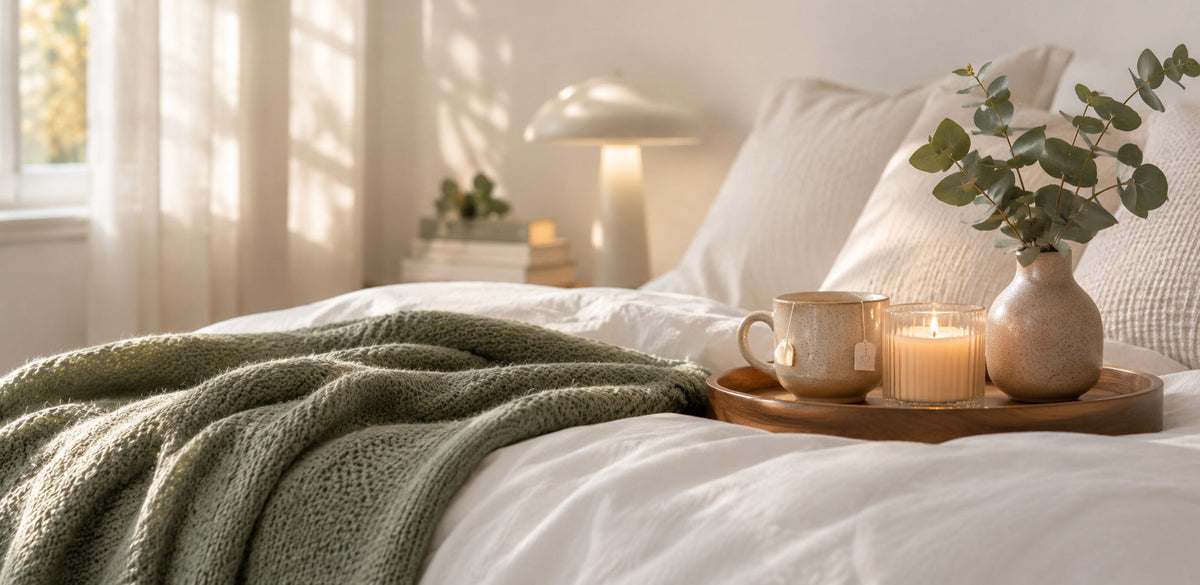
A cozy bed is especially inviting in winter.
However, it is important that your sleeping environment is not only cozy, but also comfortable.
An ergonomically designed pillow can support your head and neck. A duvet suited to your temperature preference helps you sleep comfortably.
Exercise regularly
Regular physical activity can improve sleep quality and contributes to a healthy lifestyle.
It doesn't always have to be an intense workout. Walks, yoga, or moderate movement in everyday life are also valuable.
Give your body enough time to recover.
Especially during cold and flu season, it's important to pay attention to your own needs.
If you feel exhausted, you should consciously take breaks to rest.
Try not to permanently shorten your sleep in favor of other obligations. Sufficient rest is just as much a part of a healthy routine as exercise and a balanced diet.
Why rest is so important when you have a cold
When we get sick, we often feel tired and have a greater need for rest.
This is no coincidence.
During an infection, our immune system releases various messenger substances that can influence, among other things, our sleep patterns and our perception of fatigue.
The body is signaling to us that it needs additional rest.
Sufficient sleep and rest can support the body during illness. However, you can't simply sleep off a cold.
How quickly we recover depends on various factors, including the specific pathogen and our general state of health.
Therefore, the following applies: Listen to your body, get enough rest and avoid intense physical exertion as long as you feel ill.
Medical advice should be sought in case of high or persistent fever, shortness of breath or significantly worsening symptoms.
Conclusion: Good sleep is an important part of your health routine.
Especially during the cold season, it is worthwhile to pay special attention to your sleep.
Because while we recharge our energy at night, sleep simultaneously supports important processes of our immune system.
A regular sleep routine, sufficient daylight, exercise and a comfortable sleep environment can help promote restful nights.
Of course, good sleep alone cannot prevent a cold. However, together with a balanced diet, good hygiene, and other health-promoting habits, it forms an important basis for our well-being.
Our tip: Consciously use the cozy winter season to give your body the rest it needs.
Because good sleep is not only beneficial for body and mind, but also an important part of a healthy lifestyle.

Leave a comment
This site is protected by hCaptcha and the hCaptcha Privacy Policy and Terms of Service apply.