
Sleep in the age of Smart phone & Netflix
One more episode, one more video, one more quick Instagram check – and suddenly it's well past midnight. Digital media has become an integral part of our daily lives, especially in the evenings when we finally have time to relax. But this very habit can harm our sleep in the long run.
How exactly do digital media our sleep – and what can we do to rest better?
Table of contents
- How our evening behavior has changed
- Why digital media disrupts sleep
- 5 risks to healthy sleep from media consumption
- Strategies for better sleep despite
Smart phone && Netflix
-
Conclusion
1. How our evening behavior has changed
With the triumph of
Studies show:
-
Over 80 percent of people use their
Smart phone just before falling asleep -
The consumption of series and social media content has increased significantly in recent years
-
Evening routines are increasingly characterized by screen time
These habits have a direct impact on the quality and duration of our sleep.
2. Why digital media disrupts sleep
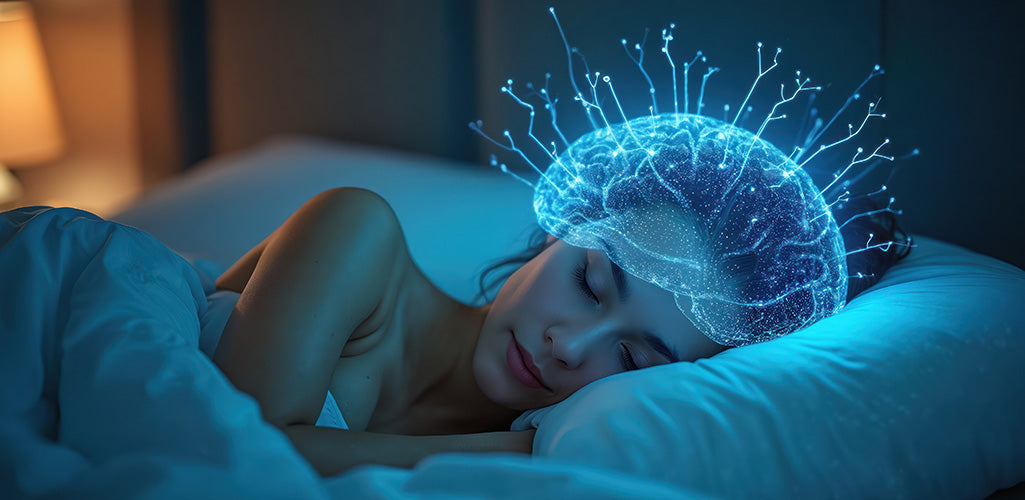
Digital devices affect our sleep on a physiological and psychological level. The so-called blue light emitted by displays is particularly problematic. It signals daylight to the brain, which suppresses the production of the sleep hormone melatonin and Sleep time extended.
In addition, the constant overstimulation from content, notifications, and interactions prevents our brains from resting in the evening. The transition to sleep is delayed, sleep becomes more superficial—or interrupted by nighttime awakenings.

3. Five risks to healthy sleep from media consumption
-
Suppression of the sleep hormone melatonin
Blue light fromSmart phones and tablets reduces the Melatonin production and disrupts the internal clock. -
Shortened sleep duration
Series, social media and autoplay functions cause people to go to bed later than planned. -
Difficulty falling asleep
Mental activity through emotional or cognitive stimuli (e.g. news, chats, serial plots) keeps the brain active. -
Fragmented sleep
Push notifications or the impulse to “quickly check something” at night can interrupt sleep phases. -
Dependence and habitual behavior
Using digital media before bedtime quickly becomes routine – even if you know it’s not good for you.
4. Strategies for better sleep despite Smart phone && Netflix
-
Digital time out before bed
Ideally, you should avoid screen use 30 to 60 minutes before going to bed. -
Smart phone not in the bedroom
If you charge your phone out of reach, you reduce the temptation to use it at night. -
Reduce blue light
Many devices offer night modes or blue light filters – a useful addition, especially for regular evening use. -
Establish conscious media behavior
Selecting content specifically, limiting media time, deactivating autoplay – this creates control and structure. -
Find alternative evening rituals
Make a Digital detox and read, listen to music, do relaxation exercises or take a warm bath which promotes a gentle transition into sleep.
5. Conclusion
-
Sleep is versatile: Animals show that sleep can be very flexible – from minute naps to hibernation.
-
Adaptation is crucial: Sleep behavior is always adapted to the environment, safety and energy requirements.
-
Quality beats quantity: Short, restful sleep phases can be more effective than long nights without deep sleep.
-
Environment influences sleep: As with animals, the Sleeping environment a central role.
-
Learning from nature: Sleep strategies from the animal kingdom give us inspiration for better sleep in everyday life.



Leave a comment
This site is protected by hCaptcha and the hCaptcha Privacy Policy and Terms of Service apply.