
Beginning of autumn & sleep: This is how the new season affects your sleep

Autumn is beginning – and with it, not only nature changes. The days are getting shorter, it stays dark longer in the mornings, and the sun sets earlier in the evening. You might even notice that you find it harder to get out of bed in the morning or get tired earlier in the evening.
But has the Autumn actually has an impact on our sleep? And what can you do to start the day feeling refreshed, even during the darker months?
We'll explain why our sleep-wake cycle can change at the beginning of autumn and give you simple tips for better sleep in autumn.
Table of contents
- What changes for our sleep in autumn?
- Less daylight affects our internal clock
- Why are we more tired in autumn?
- Do we need more sleep in autumn?
- Sleep cooler: Why autumn also has its advantages
- 6 tips for better sleep in autumn
- Conclusion: Sleep well and start autumn relaxed.
1. What changes for our sleep in autumn?
With the start of autumn, one thing in particular changes significantly: the relationship between daylight and darkness.
After the long summer days, it gets light later in the morning and dark earlier in the evening. At the same time, we're spending more time indoors again. These changes can also be relevant to our sleep.
Because our bodies don't orient themselves solely by the clock on the
In addition, there are other changes: Temperatures drop, our daily routines change, and long summer evenings become more relaxed evenings at home.
This marks the beginning of a small adjustment phase for our bodies.
2. Less daylight affects our internal clock
Our body possesses a kind of internal clock. This so-called circadian rhythm It follows approximately a 24-hour cycle and influences, among other things, when we feel awake and when we become tired.
One of the most important pacemakers of this internal clock is light.
Especially morning light sends a strong signal to our bodies that the day is about to begin. Studies show that light can influence our circadian rhythm and – depending on the timing of light exposure – shift our internal clock.
Also Melatonin This plays an important role in this context. The body's own hormone is primarily released during the biological night and is considered more of a signal for darkness than a simple "sleep hormone".
In autumn, natural light conditions change significantly. If we get up in the dark in the morning and spend most of the day indoors, we may receive less bright daylight than during the summer months.
That's precisely why it's worthwhile to consciously incorporate daylight into everyday life now.
3.Why are we more tired in autumn?
Do you know that feeling when the alarm clock rings in the morning, it's still dark outside, and you'd rather just stay in bed?
In colloquial speech, it is often said that Autumn fatigue This is not a standalone medical diagnosis. Nevertheless, the altered light conditions can contribute to us perceiving our daily rhythm differently.
Because light not only affects our internal clock, but can also affect our alertness.
Our behavior also plays a role.
In summer, we often spend more time outdoors, spend evenings outside, and generally get more natural light. In autumn, our daily lives increasingly shift indoors.
Those who drive to work in the dark in the morning, spend the day in the office and only return home after sunset have significantly fewer opportunities to soak up natural daylight.
Therefore, this is especially true in autumn: It's worth going outside – even if the sky is grey.
4. Do we need more sleep in autumn?
It cannot be said categorically that everyone automatically needs more sleep in autumn.
However, there is scientific evidence that sleep and biological rhythms can change seasonally. Studies link shorter days and longer nights to changes in melatonin production and sleep duration, among other things.
However, the extent to which such seasonal effects are actually pronounced in everyday life varies from person to person. Because our sleep is influenced by far more than just the time of year.
Stress, exercise, working hours, diet, screen time, age and individual sleep needs also play an important role.
So you don't automatically have to go to bed earlier in autumn just because it gets dark earlier outside.
It is much more important to pay attention to your body's signals and to maintain a regular sleep rhythm.
5. Sleep cooler: Why autumn also has advantages
Autumn brings not only challenges for our sleep.
After warm summer nights, the falling temperatures can even be pleasant. This is because our core body temperature changes throughout the day and drops around the time we fall asleep.
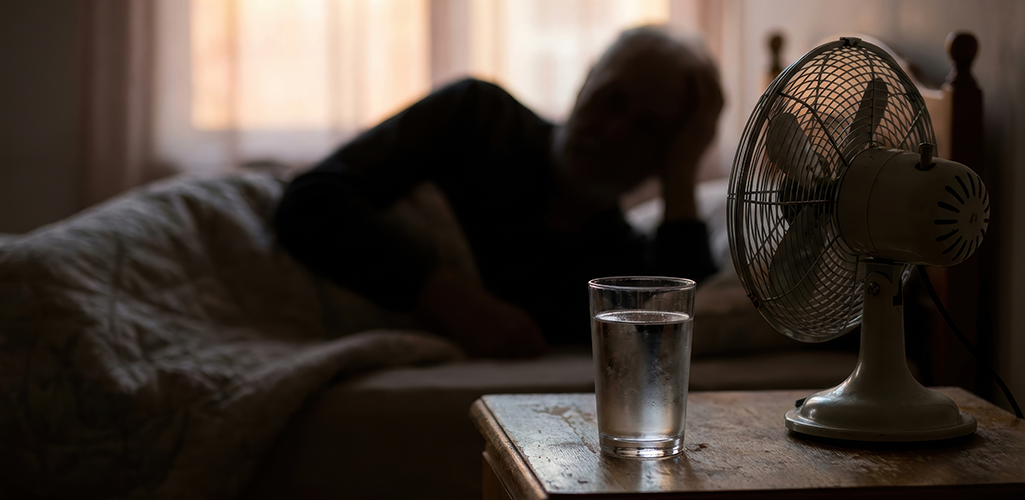
Conversely, an excessively warm bedroom can be unpleasant and disrupt sleep.
The cooler autumn nights can therefore be a good opportunity to regularly ventilate the bedroom again and ensure a pleasant sleeping climate.
However, the rule "the colder, the better" does not apply.
You shouldn't be too cold or too hot at night. What's crucial is a sleeping environment where you feel comfortable.
And now is a good time to adapt your duvet, pillows and bed linen to the cooler season.
6. 6 tips for better sleep in autumn
1. Use as much daylight as possible in the morning.
Open curtains and blinds immediately after getting up and try to get daylight as early as possible.
Even better: Go outside briefly in the morning.Natural light in the morning helps synchronize our internal clock.
2. Spend your lunch break outdoors
In autumn, the opportunities for daylight decrease rapidly. Therefore, consciously make the most of the brightest hours of the day.
A short walk during lunchtime combines two factors: Daylight and movement.
And don't worry: even if the sky is grey and cloudy, it's worth going outside.
3. Maintain regular sleep times
When it suddenly gets dark in the early evening, 8 pm can quickly feel like 10 pm.
Try not to constantly change your usual sleeping times.
A regular rhythm with similar sleep and wake times gives your body orientation – even when the light conditions outside change.
4. Reduce bright light in the evening
While bright light is important during the day, it can gradually become more cozy in the evening.
Very bright light late in the evening can affect melatonin production. Therefore, dim the lights whenever possible and avoid unnecessarily bright lighting shortly before bedtime.
Even at

5. Get your bedroom ready for autumn
The change of seasons is the perfect time for a quick sleep check.
Is your duvet still the right size? Is your bedroom comfortably warm at night? Does your pillow suit your preferred sleeping position?
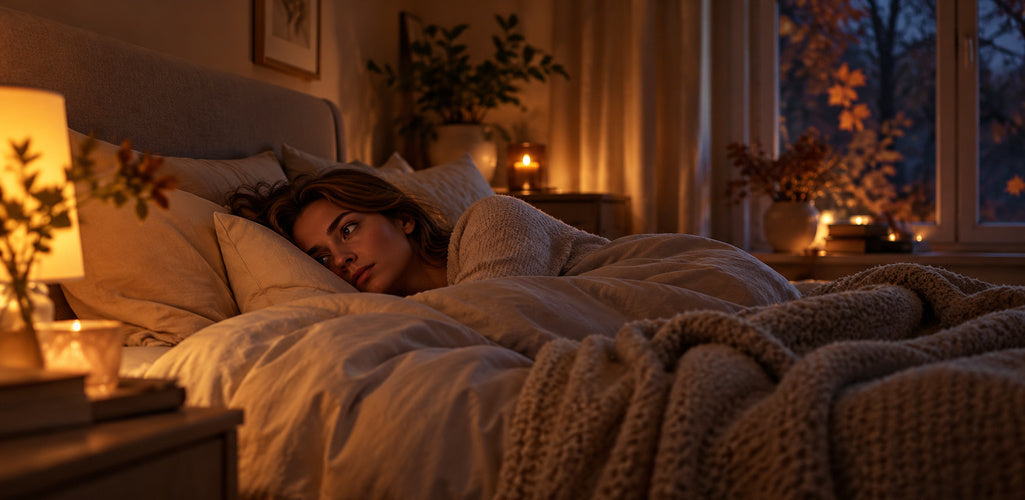
Especially now that we are spending more time at home, it is worthwhile to consciously make our sleeping environment cozy and comfortable.
6. Develop a relaxed evening routine
Autumn is perfect for cozy evening rituals.
A warm shower, a book, relaxing music or a cup of tea can become part of a regular bedtime routine.
The perfect evening routine doesn't have to be complicated at all.
Much more important is that you regularly take some time to consciously wind down the day and not go directly from the hectic everyday life to bed.
Conclusion: Sleep well and start autumn relaxed.
The The beginning of autumn can also affect our sleep.. Shorter days, less daylight, and earlier darkness alter important external signals for our internal clock. At the same time, the cooler nights bring new conditions for our sleep environment.
However, this does not mean that poor sleep is inevitable in autumn.
On the contrary: with a few small changes, you can make the most of the new season for your sleep. Try to get as much natural light as possible during the day, get regular exercise outdoors, and maintain a consistent sleep schedule. In the evening, you can consciously create a quieter, darker, and cozier atmosphere.
Thus, the beginning of autumn not only marks the start of a new season, but perhaps also the perfect time to pay a little more attention to your sleep routine.
So: soak up some daylight, make your bedroom cozy and start the autumn in a relaxed way.


Leave a comment
This site is protected by hCaptcha and the hCaptcha Privacy Policy and Terms of Service apply.