
What happens to our body in the event of sleep deprivation?
Sleep is one of our body's most basic needs – yet it's often neglected in the hustle and bustle of everyday life. But what actually happens when we don't get enough sleep for an extended period? The effects extend far beyond fatigue. In this article, we take a closer look at how a lack of sleep affects our body and mind – and why good sleep is not a luxury, but a vital necessity.
Table of contents
- Why sleep is so important for our body
- The first effects of lack of sleep
- What happens in the body during prolonged sleep deprivation
- Extreme consequences: What can happen with chronic sleep deprivation
-
Conclusion
1. Why sleep is so important for the body
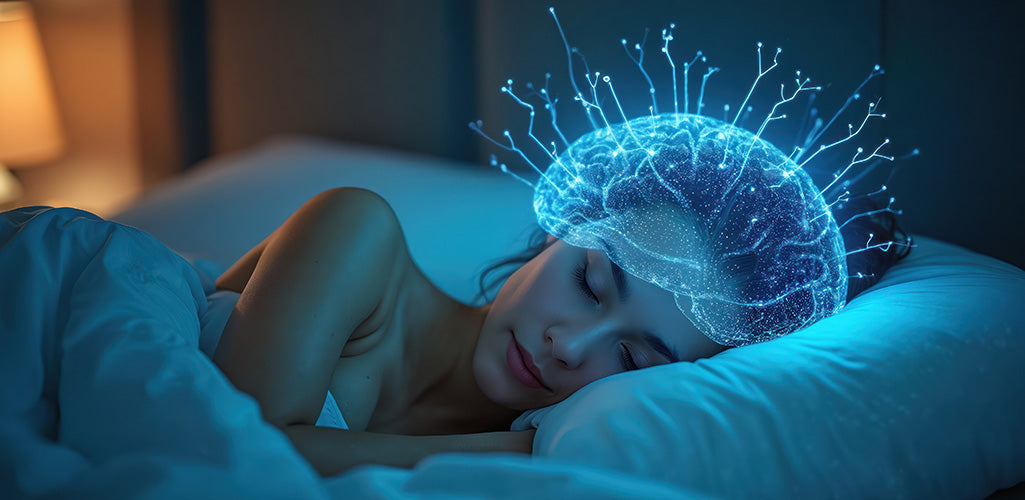
Many people underestimate how active our bodies are during sleep. Sleep is not a passive state in which "nothing" happens. On the contrary: While we sleep, complex regeneration and control processes take place.
For example, our tissue repairs itself, the immune system strengthens, and the brain sorts through the day's experiences and stores them as memories. Furthermore, during sleep, the so-called glymphatic system is activated—a cleansing system in the brain that flushes harmful metabolic products such as beta-amyloid (a possible factor in Alzheimer's disease) from the nervous system.
Anyone who thinks that sleep is wasted time is failing to recognize its immense importance for our health.
2. The first effects of sleep deprivation
Already after a night without sleep you notice the first changes – and not just tiredness.
The brain reacts more slowly, concentration diminishes, and one becomes more irritable. Studies show that after 24 hours of sleep deprivation, the condition is comparable to a blood alcohol level of 0.5 per mille. Our reaction time slows down, which can be dangerous, especially in traffic or when operating machinery.
Emotional balance also begins to falter. People are more likely to become stressed, overwhelmed, or react with excessive emotion – a consequence of reduced activity in the prefrontal cortex, which is responsible for rational thinking.
3. What these conditions reveal about our sleep quality
If sleep deprivation lasts for 48 to 72 hours, it becomes serious. The body and brain increasingly struggle with the stress. During this phase, so-called Microsleep episodes This means that the brain "switches off" for a few seconds – even if you think you're awake. This can be life-threatening, especially when driving.
Further consequences are:
-
Hallucinations: The brain begins to see or hear things that are not real.
-
Cognitive disorders: Thought processes slow down dramatically, decisions are difficult, memories are fragmented.
-
Hormonal chaos: Hormones such as cortisol (stress) rise sharply, while others such as melatonin (sleep hormone) become unbalanced.
-
Appetite disorders: The body produces more ghrelin (hunger) and less leptin (satiety) – this can cause cravings and weight gain.
-
immune system weakened: The immune system weakens, which increases susceptibility to infections.
Sleep deprivation increasingly forces the body into a state of emergency, similar to that caused by illness or trauma.
4. The long-term and chronic consequences
Those who consistently sleep too little – for example due to shift work, stress, childcare or sleep disorders – risk massive health problems.
Long-term sleep deprivation is associated with, among other things, the following diseases:
-
Cardiovascular diseases: Persistently elevated blood pressure, higher risk of heart attacks and strokes.
-
Type 2 diabetes: The body responds less well to insulin, which can lead to impaired blood sugar regulation.
-
Mental illnesses: Depression, anxiety disorders and even psychosis can be triggered or exacerbated by lack of sleep.
-
Dementia risk: Alzheimer's disease, in particular, is suspected of being promoted by permanently disrupted nighttime cleansing processes in the brain.
-
Reproductive problems: In men, testosterone levels are proven to drop, and in women, the cycle can become disrupted.
💡 Particularly extreme: There is a rare hereditary disease called "fatal familial insomnia." Those affected lose the ability to sleep—which is fatal after just a few months. This demonstrates how vital sleep is for our bodies.

5. Conclusion
-
Sleep is vital – for regeneration, brain function and immune system.
-
Even a short lack of sleep is harmful – Concentration, mood and health suffer immediately.
-
Chronic sleep deprivation makes you sick – it increases the risk of heart problems, diabetes and mental illness.
-
Good sleep means quality of life – more energy, better mood and greater resistance.



Leave a comment
This site is protected by hCaptcha and the hCaptcha Privacy Policy and Terms of Service apply.